Health and Safety Policy for Commercial Waste Aldgate Operations
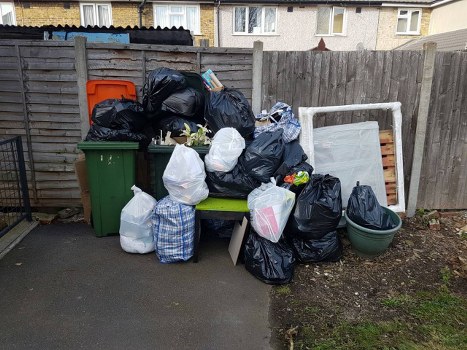 Purpose: This Health and Safety Policy defines our approach to safe operations for commercial waste in Aldgate and surrounding service areas. It sets out the commitment of management and staff to protect employees, contractors, visitors and the public from hazards associated with commercial rubbish collection, waste handling and disposal activities. The policy applies to all operational sites, vehicle operations and waste transfer activities undertaken by the business. Health and safety are integral to maintaining a reliable waste management service and ensuring compliance with good practice across the Aldgate commercial waste sector.
Scope: The policy covers workplace safety, manual handling, vehicle movements, hazardous waste segregation, safe use of machinery, personal protective equipment (PPE), and contractor management. It also addresses on-site cleanliness, storage of bins and containers, and the minimisation of risks associated with bulky waste, mixed commercial refuse and recycling streams. The commitment extends to regular training, risk assessment and continuous improvement of safety protocols for our Aldgate refuse collection and commercial waste disposal activities.
 Responsibilities: Management will ensure that a suitably competent person oversees health and safety for all commercial rubbish services, including the allocation of resources to control risks. Employees are expected to follow safe systems of work, report hazards and take reasonable care of their own safety and that of others. Contractors and third-party suppliers engaged to provide specialist services must demonstrate equivalent safety standards before starting work. Key responsibilities include:
- Risk assessment - identify and record hazards associated with waste handling and vehicle operations.
- Control measures - implement engineering, administrative and PPE controls to reduce exposure to hazards.
- Inspection - maintain and examine equipment, compactors and transport vehicles regularly.
Risk Assessment and Safe Working Practices
All operational activities will be subject to documented risk assessments that consider the unique hazards of commercial waste collection in dense urban service areas. Assessments will evaluate manual handling risks from lifting sacks, bins and bulky items; the potential for sharps and hazardous substances within commercial refuse; and the dangers of reversing vehicles and working close to live traffic. Assessments will be reviewed following incidents, changes in process or introduction of new equipment.
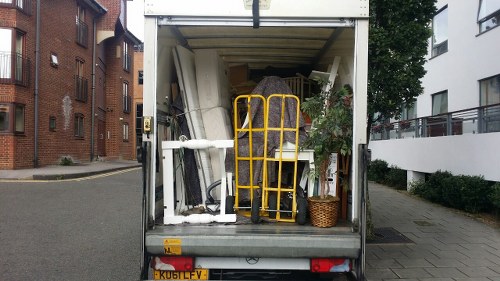 Safe systems of work will be established for routine tasks such as bin lifts, chute use, tanker operations and transfer station activities. These systems will incorporate segregation of waste streams to prevent contamination and fire risk, clear signage for hazardous materials, and a permit-to-work approach for high-risk tasks. Training and competence checks ensure staff can identify hazards and use controls effectively.
Maintenance schedules will be documented and adhered to for vehicles, lifting equipment and waste compactors. Regular pre-shift vehicle checks, servicing intervals and fault reporting procedures reduce the likelihood of breakdowns and incidents on the road. Vehicle loading practices will prioritise secure containment, correct weight distribution and prevention of littering during transit.
Personal Protective Equipment and Health Measures
PPE requirements will be determined through risk assessment and may include high-visibility clothing, safety footwear, gloves, eye protection, respiratory protection and cut-resistant equipment where appropriate. Staff must be provided with PPE, trained in its use and where necessary undergo health surveillance for exposure to biological or chemical risks associated with commercial refuse.
 Incident response and emergency planning forms a core part of the policy. All incidents, near-misses and occupational illnesses will be reported, investigated and recorded to identify root causes and prevent recurrence. Emergency procedures cover fire, spill response, vehicle collisions, exposure to hazardous substances and first-aid arrangements. Drills and toolbox talks reinforce readiness and ensure that emergency contacts and escalation routes are understood by operational teams.
 Monitoring and continuous improvement are essential to maintain high standards in the commercial waste management service area. Audits, workplace inspections and performance metrics (including incident rates, training completion and vehicle maintenance records) will be used to measure effectiveness. Findings will inform action plans and policy updates to respond to evolving risks and operational changes.
Engagement and Training: Employees, contractors and site visitors will be consulted on health and safety matters. Regular training programmes, induction, competency assessments and on-the-job coaching will be delivered to ensure that those involved in collecting and handling commercial refuse are aware of procedures, PPE use and emergency responses. Communication channels will promote hazard reporting and encourage suggestions for safer working.
Contractor management requires that external providers working with commercial waste operations meet our safety expectations. Contracts will include clear safety requirements, monitoring arrangements and evidence of competence. Work will not be allowed to proceed if contractors cannot demonstrate accepted standards for handling commercial rubbish or hazardous waste streams.
Policy review and governance: This policy will be reviewed at least annually or when significant changes to operations occur. Management will ensure the policy remains current, accessible and effectively implemented across all parts of the business. Strong leadership, visible commitment and adequate resources are essential to maintain a robust health and safety culture within the commercial waste service environment.