Aldgate council rubbish rules what to know before you book
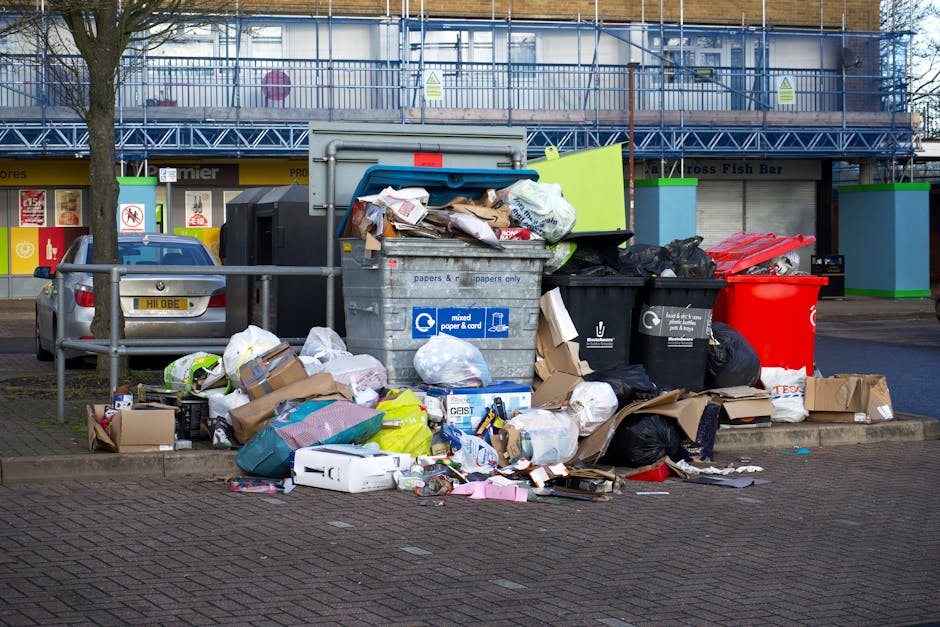
If you are planning a clear-out in Aldgate, the last thing you want is a booking that turns messy because the rubbish was not prepared properly. The phrase Aldgate council rubbish rules what to know before you book sounds simple enough, but it usually hides a few very real questions: what can go, what needs separating, what counts as hazardous, and whether you should choose a council collection, a skip, or a man-and-van style waste removal service. Get those bits wrong and you can end up with delays, extra charges, or waste that simply cannot be taken on the day.
This guide breaks the process down in plain English. You will find out why the rules matter, how the booking process tends to work, what to check before you confirm anything, and how to avoid the common little mistakes that waste time. If you are arranging a home, flat, office, or builder's clearance, the goal here is to help you book with confidence rather than crossing your fingers and hoping for the best.
Why Aldgate council rubbish rules what to know before you book Matters
Rubbish rules sound dull until they affect your booking. Then they matter quite a lot. In a busy London area like Aldgate, space is tight, access can be awkward, and waste collections often need a bit of planning. A bag left in the wrong place, a broken appliance mixed in with general junk, or a load of building waste described too casually can change the whole job.
The reason this matters is not just compliance. It is also about avoiding friction. If you know the rules before you book, you can choose the right service, avoid rejected items, and keep the day moving smoothly. That means fewer surprises for you, fewer issues for the crew, and a far better chance the waste disappears on time rather than sitting in the hallway looking increasingly annoying.
For many people, the real issue is not volume. It is uncertainty. Is that old printer okay? What about a fridge, a sofa, or a bag of broken bathroom fittings? Can you include plasterboard with mixed builder's rubble? These are the details that decide whether you need a straightforward removal, a specialist service, or a separate arrangement for certain materials. Knowing that upfront can save a lot of back-and-forth.
If you are booking for a flat clearance, office clearance, or a one-off household job, it is worth checking service guidance alongside practical pages such as waste removal, pricing and quotes, and what can go in a skip. Those details usually tell you more than a quick phone call ever will. Well, most of the time.
How Aldgate council rubbish rules what to know before you book Works
At a practical level, the process usually follows the same broad pattern. First, identify what kind of waste you have. Then decide whether it is general rubbish, reusable items, bulky waste, green waste, construction debris, electricals, or something potentially hazardous. After that, match the waste type to the right removal method and check any restrictions before you confirm the booking.
In simple terms, the rules are there to protect access, safety, recycling efforts, and lawful disposal. Most waste handlers will ask about the type and amount of rubbish before they accept the job. If you are honest and specific, you are helping yourself. If you are vague, the booking may still go ahead, but you could face a pause on the day if the load includes items that need separate handling.
That is especially true where access is difficult. Aldgate properties can involve shared entrances, upper floors, narrow streets, timed access, or limited loading space. A service that looks easy on paper can become awkward fast if the team arrives to find three flights of stairs, a locked gate, and a pile that was described as "just a few bits".
Another thing to remember is that council-style rubbish rules and private waste collection rules are not always identical, even if they overlap in spirit. Councils typically publish their own collection standards and missed-item rules, while private services often set item lists, weight limits, and acceptable waste categories. Before you book, check the service details carefully and make sure your load fits the route you have chosen.
Key Benefits and Practical Advantages
Getting the rules clear before booking is not only about avoiding a problem. It also makes the whole job easier to budget, faster to schedule, and cleaner to complete. A bit of early planning goes a long way.
- Fewer rejected items: You can separate items that need special handling before the team arrives.
- Clearer costs: The price is easier to understand when the waste type and volume are known upfront.
- Less disruption: A well-planned collection is quicker, especially in flats or shared buildings.
- Better recycling outcomes: Sorting waste properly improves the chance that reusable or recyclable materials are handled responsibly.
- Safer loading: Heavy, sharp, or awkward items can be managed with the right equipment and method.
There is also a confidence benefit that people often overlook. Once you know what belongs where, booking becomes much simpler. You stop second-guessing every item. That matters when you are standing in a room full of clutter at 8am, coffee in hand, trying to decide whether the old lampshade is actually rubbish or merely an unfortunate design decision.
For jobs that involve large or mixed waste streams, pages like builders waste clearance, house clearance, and office clearance can help you match the service to the actual job rather than forcing the job to fit a generic category.
Who This Is For and When It Makes Sense
This topic is most useful if you are dealing with any of the following:
- tenancy move-out waste
- household decluttering
- flat or basement clearances
- office and commercial junk removal
- builder's rubble, timber, or renovation debris
- bulky furniture, mattresses, or white goods
- mixed waste after a clean-up or refurbishment
It also makes sense if you are short on time. A lot of people do not need a grand strategy; they just need a collection that works first time. If that is you, then understanding rubbish rules before you book is the difference between a smooth afternoon and an awkward one with bags blocking the front door.
Businesses should be especially careful. Office clear-outs often include paper records, electrical kit, packaging, furniture, and confidential items. That combination can be straightforward, but only if it is sorted properly. If the load includes sensitive paperwork, services such as confidential shredding are worth considering. It is one of those boring-but-essential details that can save a headache later.
Homeowners and landlords may find this useful too. A good example is a post-tenancy clear-out where the former occupier has left a mixture of broken furniture, bin bags, old small appliances, and a few items that look salvageable. Knowing what is recyclable, what is bulky, and what might need a separate service can make the whole thing feel manageable. It really can.
Step-by-Step Guidance
Here is the simplest way to handle it without overthinking the whole thing.
- List everything you need removed. Walk the space with a pen or your phone and note each item or pile. Be specific. "Sofa, broken desk, two chest drawers, six black bags, one fridge" is better than "general rubbish".
- Separate obvious categories. Keep recyclables, general waste, bulky furniture, electricals, and potentially hazardous items apart where possible. It makes the assessment easier.
- Check for restricted items. Paints, solvents, gas canisters, chemicals, asbestos, medical waste, and some other materials usually need special handling. If in doubt, stop and ask before booking.
- Measure access. Is there lift access? Any narrow staircases? Limited parking? A courtyard? These details matter more than people expect.
- Choose the right service type. For bulky domestic items, furniture disposal or mattress and sofa disposal may be the best fit. For renovation waste, a builders' solution is often more suitable.
- Request a clear price breakdown. Ask what is included, what could trigger a surcharge, and whether labour, loading, and disposal are all covered.
- Book a realistic time slot. If access is tight, allow a little breathing room. Rushed bookings are where mistakes creep in.
- Prepare the waste for collection. Put items where the team can reach them safely and legally. That might be inside the property, in a communal area, or at a specified loading point.
If the booking involves a loft, garage, garden, or full-house declutter, a more tailored service can make the process much less painful. You can see the sort of jobs commonly handled on pages like loft clearance, garage clearance, garden clearance, and home clearance.
One small but useful habit: photograph the waste before the booking. Two or three quick pictures usually tell the story better than a long explanation, especially if you are comparing options. It sounds almost too simple, but it works.
Expert Tips for Better Results
These are the kind of practical tips that tend to come from experience rather than theory.
- Be honest about mixed waste. If your load is part furniture, part rubble, say so. Mixed loads can be handled, but they need the right planning.
- Ask about heavy items early. Fridges, washing machines, and other appliances are not just "big things". They often need separate handling or specific unloading procedures. A page like fridge and appliance removal can be helpful here.
- Keep dangerous items out of the pile. If anything leaks, smells strong, or feels questionable, do not tuck it in with general rubbish and hope for the best. That is how jobs get delayed.
- Plan around building rules. Shared entrances, concierge desks, loading bays, and neighbour restrictions can all affect the job. A quick check saves a lot of running around later.
- Think about recycling before collection day. Some items can be diverted more responsibly if separated. That is better for disposal and often better for the quote too.
Truth be told, the best jobs are usually the boring ones. Everything is clear, the access is ready, the waste is grouped properly, and nobody has to pause the whole operation to ask where the old cabinet came from. Simple is good.
Another useful detail is safety paperwork. If you are dealing with a contractor or commercial premises, pages such as health and safety policy and insurance and safety help reassure you that the collection is being handled with proper care.
Common Mistakes to Avoid
Some mistakes happen again and again. The good news is that they are easy to avoid once you know what to look for.
- Booking before checking the waste type: This is the classic one. People book a slot, then realise the pile includes an item that needs specialist handling.
- Assuming every item is accepted: Not every service takes every kind of rubbish. That sounds obvious, but it still catches people out.
- Underestimating the volume: A room that looks "half full" can be surprisingly packed once it is emptied and stacked.
- Forgetting access constraints: Stairs, parking, gates, and loading rules can be the real bottleneck.
- Mixing recyclable and restricted items: Once items are mixed badly, the load becomes harder to sort and may need different handling.
- Leaving the booking note too vague: "Bits and bobs" is not very helpful. Nobody is sure what that means, not really.
Another mistake is ignoring the fine print on booking terms and payment. It may not be exciting reading, but it matters. Look at terms and conditions and payment and security if you want to know how the service handles timing, charges, and payment methods.
A final practical point: do not wait until the last possible minute to ask about a questionable item. If you are unsure whether something is acceptable, ask early. It is easier to adjust the plan than to fix a mistake on collection day.
Tools, Resources and Recommendations
You do not need fancy tools, but a few simple things make life much easier.
- Phone camera: Take clear photos of the waste from a few angles.
- Notebook or notes app: Write a basic item list, especially if multiple rooms are involved.
- Tape measure: Helpful for large furniture, appliances, or awkward access points.
- Labels or sticky notes: Great for marking what stays, what goes, and what needs to be sorted separately.
- Packaging bags or tubs: Handy for separating smaller items before collection day.
For more informed booking, it helps to review service pages that relate to your specific waste type rather than relying on guesswork. A few useful examples are furniture clearance, mattress and sofa disposal, business waste removal, and builders waste clearance.
If sustainability matters to you, which it increasingly does for a lot of people, it is also worth looking at recycling and sustainability. You may not be able to recycle everything, of course, but better sorting can make a real difference.
Law, Compliance, Standards, or Best Practice
This is the section most people skim and then regret later, so let's keep it clear. Waste collection in the UK is governed by a mix of local rules, environmental duties, and general duty-of-care expectations. In plain English: if you produce rubbish, you should make sure it is handled responsibly and by someone who is set up to take it.
Where Aldgate council rubbish rules are concerned, the exact collection rules can depend on the waste type, the collection method, and whether the job is domestic or commercial. That means the safest approach is to check the specific service conditions before booking and avoid assuming all rubbish is treated the same way. It usually is not.
Best practice usually means three things: accurate description, safe segregation, and lawful disposal. Accurate description helps the collector assess the load. Safe segregation reduces risk and avoids contamination. Lawful disposal means the waste is taken to the right place rather than being passed along carelessly.
If your booking involves potentially hazardous items, the need for caution goes up sharply. Some materials are not suitable for ordinary mixed waste collection and may require specialist handling. That is not about making the process complicated for the sake of it; it is about safety, environmental responsibility, and avoiding the kind of mistake that turns a straightforward job into a difficult one.
For businesses, the compliance angle is even more important. Office and commercial waste can include confidential material, electrical equipment, packaging, and items that should not be left to chance. In those cases, it is sensible to use clear internal procedures and choose a provider whose operational policies are transparent. Pages like about us and complaints procedure can also help you judge how seriously a provider treats service quality and accountability.
Options, Methods, or Comparison Table
There is no single right answer for every job. The best method depends on what you are removing, how much there is, and how quickly you need it gone. Here is a simple comparison to help you decide.
| Option | Best for | Strengths | Things to watch |
|---|---|---|---|
| Council collection | Routine household waste or scheduled local collection needs | Familiar process, local rules, straightforward for standard items | May have timing limits, item restrictions, or booking availability constraints |
| Skip-style solution | Building projects, bulky mixed waste, and larger clear-outs | Can handle significant volume and is useful for ongoing work | Needs space, correct filling, and awareness of accepted materials |
| Man-and-van waste removal | Quick removals, flat clearances, and one-off bulky loads | Flexible, fast, and often easier for tight access | Waste must still be described accurately; restricted items may not be accepted |
| Specialist disposal | Hazardous, electrical, or awkward items | Safer handling and better compliance | Usually needs extra planning and cannot be rushed |
If you are unsure which route fits your job, start with the waste type rather than the vehicle. That simple shift in thinking prevents a lot of bad bookings. A fridge is not just "another item"; a bag of rubble is not the same as household clutter; and a mix of furniture and office waste can change the plan entirely.
Case Study or Real-World Example
A small example may help. Imagine a two-bedroom flat in Aldgate after a move. The occupier needs to clear a wardrobe, a mattress, a broken desk, several black bags, a small TV, and a couple of boxes from the kitchen. Nothing dramatic, but enough to make the place feel crowded and stressful.
At first glance, this sounds like a simple collection. But then the details appear. The wardrobe is heavy and awkward. The TV is an electrical item. One of the black bags contains mixed household waste, and another holds old paperwork. There is also a narrow staircase and a timed loading restriction outside the building. Suddenly, the "quick job" needs a bit more thought.
The sensible move would be to describe the load clearly, separate the paperwork from the general rubbish, confirm access conditions, and choose a service that can handle both bulky and mixed items. If any confidential paperwork is involved, the customer should keep that out of the general load and arrange it separately. A tidy booking note and a few photos would make the process smoother on the day. Simple, really.
This kind of real-world planning is why understanding rubbish rules before you book matters. It turns a fuzzy task into a manageable one. And once the waste is gone, the room feels different. Quieter somehow. Lighter. You notice the echo a bit more.
Practical Checklist
Use this checklist before you confirm any rubbish booking in Aldgate.
- Have I listed everything that needs removing?
- Have I separated general rubbish, bulky items, electricals, and anything hazardous?
- Do I know whether my items fit the chosen service type?
- Have I checked access, parking, stairs, and loading restrictions?
- Have I taken photos of the waste?
- Have I confirmed what is included in the price?
- Have I read the relevant booking terms?
- Have I kept confidential or restricted items out of the general pile?
- Have I prepared the waste in a place that is safe and accessible?
- Do I know who to contact if the load changes before collection day?
If you can tick most of these off, you are in good shape. If not, pause and tidy up the details first. That little bit of extra effort usually pays you back immediately.
Conclusion
Booking rubbish collection in Aldgate does not need to be complicated, but it does reward anyone who takes the rules seriously before the booking is made. The basic idea is simple: know what you have, match it to the right service, check restrictions, and be clear about access and volume. Do that, and the process becomes far more predictable.
The best bookings are the ones where nobody has to improvise on the doorstep. A little preparation keeps costs clearer, collection day calmer, and the outcome much better. Whether you are clearing a flat, a house, an office, or a pile of post-renovation waste, the same principle applies: sort first, book second, breathe easier after. That is the whole game, really.
If you are ready to move from planning to action, choose the service that fits your waste properly and keep the details simple and honest. You will thank yourself later, especially when the last bag is gone and the space finally feels like yours again.
Get a free quote today and see how much you can save.
Frequently Asked Questions
What are Aldgate council rubbish rules what to know before you book in plain English?
It means checking what waste you have, what can be collected, what needs special handling, and how the booking process works before you confirm anything. That way you avoid rejected items and last-minute surprises.
Can I put mixed rubbish together in one booking?
Sometimes yes, but only if the service accepts that type of mixed load. General rubbish, furniture, appliances, and building waste may all be handled differently, so it is better to describe the mix clearly in advance.
What items are most likely to cause problems?
Hazardous materials, paints, solvents, gas canisters, asbestos, and some electrical or bulky items are the main ones to watch. If something leaks, smells strong, or seems risky, treat it separately until you get advice.
Do I need photos before I book a rubbish collection?
They are not always required, but they help a lot. Photos make it easier to judge volume, access, and whether the waste is mixed. A few quick pictures can save a lot of back-and-forth.
Is a skip better than a waste removal booking?
It depends on the job. Skips are handy for larger projects and ongoing work, while waste removal is often better for quicker clear-outs, tight access, or jobs where loading needs to happen on the day.
Can furniture and mattresses be collected together?
Often yes, if the service covers both items. A dedicated furniture disposal or mattress and sofa disposal option may be more suitable if those are the main things going.
What should businesses check before booking?
Businesses should check the waste categories involved, whether any material is confidential, how access will work, and what happens with electricals or mixed office waste. Clear description upfront is the safest approach.
What if I am not sure whether an item is allowed?
Do not guess. Keep it out of the general pile and ask before the collection is arranged. One uncertain item can change the whole booking if it is restricted.
How can I make collection day smoother?
Group the waste, clear the access route, confirm parking or loading arrangements, and make sure everyone involved knows what is being removed. It sounds basic, but basic works.
Are there extra charges for awkward access?
There can be, depending on the service and the job size. Narrow stairs, long carries, timed access, or items that need extra labour can affect the final price, so it is worth checking in advance.
Can I book rubbish removal for a flat in Aldgate?
Yes, and flats are very common. Just make sure you mention stairs, lifts, communal access, and any building rules when you request the booking.
Where can I learn more about responsible disposal and recycling?
Look at service pages that explain waste handling in more detail, especially recycling and sustainability and waste removal. They are useful starting points if you want to book with a clearer idea of how your rubbish will be handled.